Cleaning services
Payment Processing for Dry Cleaners & Laundromats
Dry cleaners live on ticket numbers and loyal drop-off routines. Laundromats may mix coin, card, and app payments on the same block. Processing must keep counter lines moving, match tickets to charges, and survive Monday morning rushes.
Ticket workflow and counter speed
Neighborhood cleaners from Virginia-Highland to suburban strip centers see predictable morning peaks. Slow terminals double lines and push customers toward competitors. Countertop and compact POS setups—Clover Compact (/pos/clover) is a common fit—should print or display ticket IDs that match garment tags instantly.
Rewards cards dominate many consumer dry-cleaning tickets. Opaque tiered pricing rarely favors that mix. Calculate effective rate monthly and compare to interchange-plus alternatives.

Laundromat card readers and hybrid stores
Hybrid attendants-plus-self-service locations must reconcile counter POS with unattended readers. Different devices can mean different pricing categories on the same statement. Finance should understand both paths before signing one merchant agreement.
Cash-heavy locations sometimes adopt compliant dual pricing to offset card costs. Post cash and card prices clearly at the counter and on signage—staff scripts should match what the POS enforces.
Commercial accounts and route pickup
Restaurants, salons, and medical offices on pickup routes may pay on corporate cards. Track B2B volume separately from walk-in consumer tickets when reviewing statements.
Omega Bank Card helps cleaners and laundromats with transparent pricing and hardware sized to counter footprint. Visit /industries/dry-cleaning for industry-specific merchant programs.
- Train staff on EMV before holiday formalwear season.
- Review chargebacks when commercial clients change AP staff.
- Confirm batch close routines on unattended readers.
Renewal season checklist
Cleaning businesses often renew leases and processing contracts in the same quarter. Pull three months of statements and note annual fees, PCI line items, and terminal rental charges outside the discount rate.
Our free statement audit explains where money goes—so owners can upgrade equipment or renegotiate from facts instead of sales-call promises.
Payment patterns unique to cleaning services businesses
Payment Processing for Dry Cleaners & Laundromats is not generic retail. Ticket size, card-present mix, tipping, invoicing, keyed entry, and seasonal peaks create a fingerprint on your statement that bundled pricing rarely reflects fairly every month. Owners who measure only the quoted discount rate miss where those patterns become downgrades or premium interchange categories.
Segment your volume: counter vs mobile, weekday vs event, deposit vs balance-due. Each slice has a different effective cost once rewards cards and keyed entry enter the mix. Calculate effective rate on the whole month first, then isolate your busiest channel.
Omega Bank Card works with cleaning services operators across Georgia and nationwide—pairing interchange-plus pricing with hardware that matches how staff actually checkout customers.
Hardware, workflows, and staff habits matter as much as rate
The right terminal or POS reduces friction and hidden fees. EMV dip and tap, offline policies, tip adjust, invoice deposits, and gift-card loads each change interchange qualification. Training staff once during onboarding is not enough—seasonal hires and busy rushes reintroduce keyed cards and late batches fast.
Explore POS platforms and mobile solutions that fit your floor plan. Integrations with scheduling, inventory, or practice management software should be tested on a real ticket path before go-live—not demo mode.
If you run compliant cash-discount or dual-pricing programs to offset processing, align signage and POS labels before marketing pushes a busy weekend. Cash discount vs dual pricing in Georgia explains customer-facing differences.
- Close batches on a schedule finance can audit—not "when someone remembers."
- Use recognizable statement descriptors tied to your public brand name.
- Review chargeback ratio quarterly; industry averages differ by MCC.
- Keep one processing contact for owners and one for managers.
Grow without pricing surprises
Adding locations, ecommerce, or mobile pay paths multiplies complexity. Decide early whether you need one merchant ID or many, and how reporting should roll up for your bookkeeper. One MID vs many outlines trade-offs multi-unit brands face.
See industry guide and related industry article for adjacent guidance. When volume justifies a deeper look, read your statement alongside a free Omega audit—we will map savings to your actual ticket habits, not a generic industry template.
Get started with transparent processing and POS options chosen for cleaning services workflows—not a one-size-fits-all terminal shipped without setup context.
Common questions merchants ask about this topic
Merchants researching "Payment Processing for Dry Cleaners & Laundromats" usually want three answers: what will I actually pay after fees, what changes at the register, and what happens if something goes wrong with a chargeback or compliance notice. Those answers live on your statement and in your terminal settings—not in a generic rate quote.
Omega Bank Card recommends a quarterly fifteen-minute review: effective rate trend, new line items, batch closeout discipline, and whether your PCI attestation is current. Small fixes often beat processor churn. When churn does make sense, move with statement math and a documented migration checklist so deposits do not gap during the switch.
Still comparing options? Browse more articles on the Omega blog, explore credit card processing services, or request a free statement audit to ground the conversation in your real numbers.
- How do I calculate effective rate? Total fees ÷ card sales for the same period.
- When should I switch processors? When transparency or service blocks fixes—or savings clear your switching cost hurdle.
- Does Omega support my industry? We serve retail, restaurants, healthcare-adjacent, field service, ecommerce, and high-risk verticals with sponsor-bank fit reviewed up front.
- Where do I start? Get started or fee check with a recent PDF statement.
A sustainable review rhythm keeps costs predictable
One-time processor shopping fixes yesterday’s rate—not next quarter’s card mix. Set a recurring calendar reminder to export your statement PDF, recalculate effective rate, and note any new line items. Hidden fees often appear after promotional periods end, equipment leases begin, or PCI non-compliance triggers monthly penalties.
Pair financial review with operational review: Are managers batching terminals on schedule? Is keyed entry limited to true phone orders? Are ecommerce descriptors recognizable? Those habits affect cleaning services businesses as much as basis-point negotiations—especially when rewards cards dominate weekend volume.
Omega Bank Card serves Atlanta-area merchants and businesses nationwide. Whether you need gateways for online sales, wireless terminals for field teams, or high-risk underwriting reviewed up front, anchor decisions in statement math—not slogans. Get started when you want a partner who documents recommendations in writing.
- Compare this month’s effective rate to the same month last year—not only to last month.
- Archive processor change letters; they explain new fees months later.
- Train seasonal staff on EMV and tap before peaks, not during them.
- Keep related blog guides bookmarked for your finance lead and floor manager.
Put the checklist to work this week
Knowledge only helps when it changes a habit or a contract term. Block thirty minutes with your manager or bookkeeper: pull last month’s statement, mark any line you cannot explain, and list checkout scenarios that still rely on keyed entry. That short exercise usually surfaces more savings than another round of generic rate quotes.
If this article overlaps with companion guide and follow-up read, read both before you call your processor—armed questions get clearer answers. Omega’s free statement audit is built for that conversation: we translate dense PDFs into decisions you can make without a payments engineering degree.
When you are ready to compare structured options—not just swap one teaser rate for another—contact Omega Bank Card. We will map payment processing for dry cleaners & laundromats to the processing model, hardware, and compliance posture you actually run today.
Comments
Loading comments…
Related reads
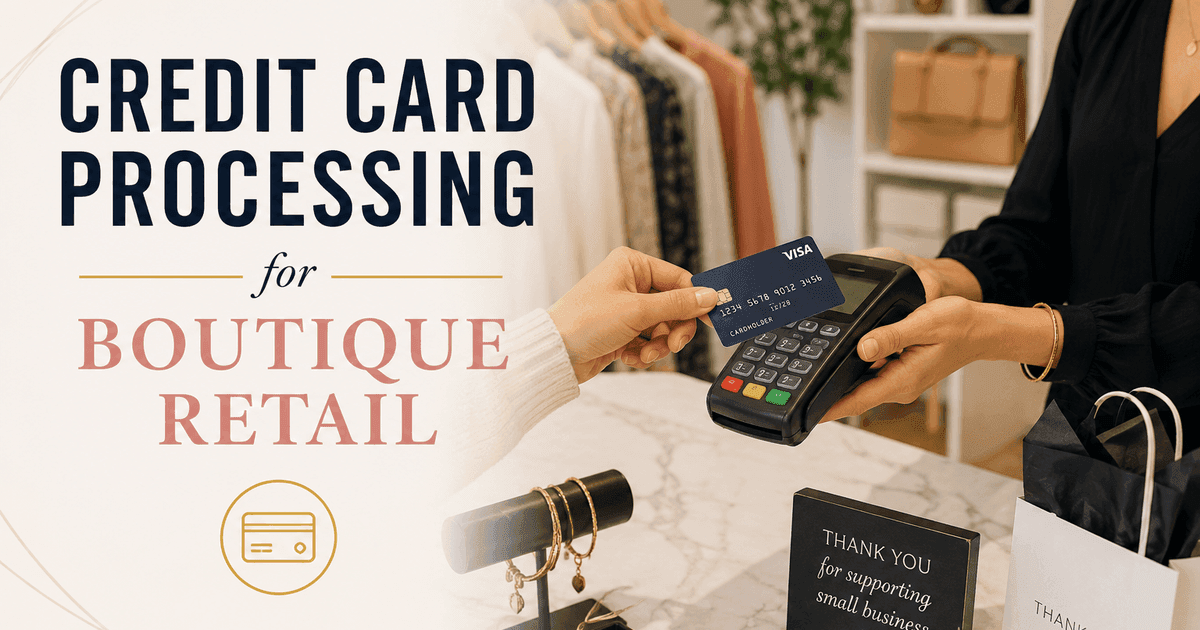
Boutique retail
Credit Card Processing for Boutique Retail
Boutique retail card processing: curated inventory, seasonal collections, clienteling, gift cards, and transparent merchant pricing for independent Georgia fashion and specialty shops.
Programs compared
Cash Discount vs. Dual Pricing: What Georgia Merchants Should Know
Cash discount versus dual pricing for Georgia merchants: how posted prices work, customer messaging, debit considerations, and choosing a compliant checkout model.
Atlanta dining
How Atlanta Restaurants Can Lower Credit Card Processing Fees
Atlanta restaurants: practical ways to reduce card processing costs with transparent rates, statement review, and pricing models that match how you actually take payments.
Want a second opinion on your statement?
We review what you pay today, line by line, and show how transparent pricing compares-no obligation to switch.
Get a Free Statement Audit