POS strategy
Union POS Guest-Led Ordering: Benefits for Busy Bars and Restaurants
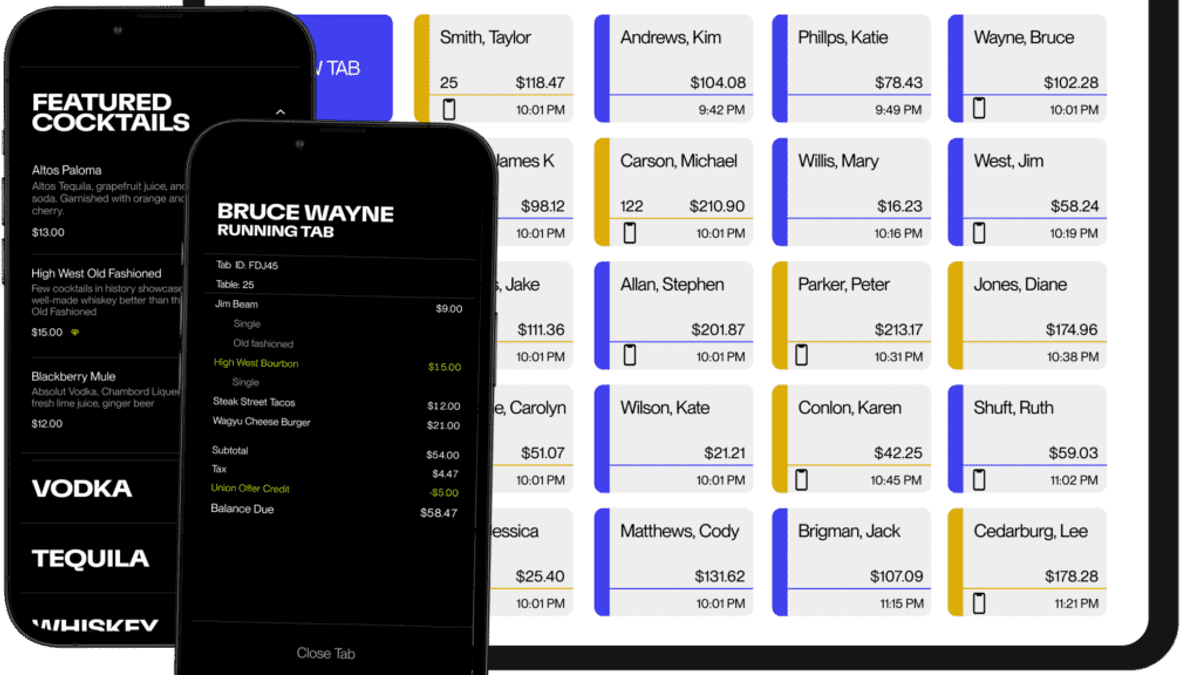
Guest-led ordering lets patrons start tabs, reorder, and pay from their phones while staff stay on the floor. Union POS built around that flow—but only works when Wi-Fi, training, and processing keep pace.

What guest-led ordering changes on the floor
Instead of every drink running through a single terminal queue, guests add to open tabs from their phones. Servers focus on delivery and hospitality, not keypad time. Peak nights at Atlanta bars and patios are where the model earns its keep.
Tabs, tips, and wallet pay
Guests expect Apple Pay and Google Pay on close-out. Tip prompts must feel fair on small tabs. Train staff to reconcile open tabs with walkouts and partial groups—the software helps, but policies are yours.
- Post QR signage that matches your brand and explains the flow in one sentence.
- Test wallet pay and contactless on staff devices before opening night.
- Keep a backup terminal for guests who prefer traditional checkout.
Infrastructure you cannot skip
Guest-led ordering needs reliable Wi-Fi and clear VLAN separation if you segment POS. Dead zones on a patio become one-star reviews fast. Walk the floor with a phone before you launch.
See Union guest-led in context
Tour the workflow at /pos/union-pos/guest-led-ordering and the broader Union lineup at /pos/union-pos. Omega Bank Card pairs Union with interchange-plus processing so mobile-tab volume prices transparently—schedule a demo if you are comparing phone-first ordering to traditional handhelds.
POS and processing are one system—price them together
Hardware quotes are easy to compare; total cost of ownership is not. Software modules, per-device fees, gateway add-ons, and processing markup interact on the same deposit. A "free" terminal with opaque tiered processing can cost more than purchased equipment on interchange-plus within a year.
Tour POS options—Square, Clover, Retailz, Union, and others—with your statement in hand. Clover for Atlanta restaurants and Retailz for convenience retail show how vertical workflows change device choice.
Omega Bank Card pairs equipment decisions with interchange-plus pricing so savings from better capture habits show on the statement—not just in shorter lines.
Deployment details that prevent day-one friction
Order numbers, MID activation, tipping presets, tax lines, offline mode, and gateway credentials should be tested on live small transactions before you open the doors. Underwriting approval without configured terminals is a common opening-week failure mode for new Atlanta locations.
Virtual terminals and physical terminals carry different PCI scopes. Virtual vs physical terminals and SAQ selection should be reviewed whenever you add phone orders or ecommerce.
For ecommerce-heavy stacks, compare payment gateways on plugin support, fraud tools, and deposit timing—not just per-transaction price.
- Standardize devices and closeout routines before opening location two.
- Label each terminal in reporting so downgrades trace to a store.
- Confirm tip adjust and pre-auth flows match your service model.
- Keep processor support contacts visible at the manager station.
Scale hardware without scaling confusion
Multi-unit operators should decide reporting hierarchy before adding handhelds or kiosks. MID strategy affects how chargebacks, reserves, and tax reporting flow to headquarters.
Read POS guide and equipment guide and underwriting timelines if you are adding locations or new tender types. Request a demo or quote when you are ready to align POS and processing with how guests actually pay in 2026.
Common questions merchants ask about this topic
Merchants researching "Union POS Guest-Led Ordering: Benefits for Busy Bars and Restaurants" usually want three answers: what will I actually pay after fees, what changes at the register, and what happens if something goes wrong with a chargeback or compliance notice. Those answers live on your statement and in your terminal settings—not in a generic rate quote.
Omega Bank Card recommends a quarterly fifteen-minute review: effective rate trend, new line items, batch closeout discipline, and whether your PCI attestation is current. Small fixes often beat processor churn. When churn does make sense, move with statement math and a documented migration checklist so deposits do not gap during the switch.
Still comparing options? Browse more articles on the Omega blog, explore credit card processing services, or request a free statement audit to ground the conversation in your real numbers.
- How do I calculate effective rate? Total fees ÷ card sales for the same period.
- When should I switch processors? When transparency or service blocks fixes—or savings clear your switching cost hurdle.
- Does Omega support my industry? We serve retail, restaurants, healthcare-adjacent, field service, ecommerce, and high-risk verticals with sponsor-bank fit reviewed up front.
- Where do I start? Get started or fee check with a recent PDF statement.
A sustainable review rhythm keeps costs predictable
One-time processor shopping fixes yesterday’s rate—not next quarter’s card mix. Set a recurring calendar reminder to export your statement PDF, recalculate effective rate, and note any new line items. Hidden fees often appear after promotional periods end, equipment leases begin, or PCI non-compliance triggers monthly penalties.
Pair financial review with operational review: Are managers batching terminals on schedule? Is keyed entry limited to true phone orders? Are ecommerce descriptors recognizable? Those habits affect pos strategy businesses as much as basis-point negotiations—especially when rewards cards dominate weekend volume.
Omega Bank Card serves Atlanta-area merchants and businesses nationwide. Whether you need gateways for online sales, wireless terminals for field teams, or high-risk underwriting reviewed up front, anchor decisions in statement math—not slogans. Get started when you want a partner who documents recommendations in writing.
- Compare this month’s effective rate to the same month last year—not only to last month.
- Archive processor change letters; they explain new fees months later.
- Train seasonal staff on EMV and tap before peaks, not during them.
- Keep related blog guides bookmarked for your finance lead and floor manager.
Put the checklist to work this week
Knowledge only helps when it changes a habit or a contract term. Block thirty minutes with your manager or bookkeeper: pull last month’s statement, mark any line you cannot explain, and list checkout scenarios that still rely on keyed entry. That short exercise usually surfaces more savings than another round of generic rate quotes.
If this article overlaps with companion guide and follow-up read, read both before you call your processor—armed questions get clearer answers. Omega’s free statement audit is built for that conversation: we translate dense PDFs into decisions you can make without a payments engineering degree.
When you are ready to compare structured options—not just swap one teaser rate for another—contact Omega Bank Card. We will map union pos guest-led ordering: benefits for busy bars and restaurants to the processing model, hardware, and compliance posture you actually run today.
Comments
Loading comments…
Related reads

POS strategy
Clover POS for Atlanta Restaurants: A Practical Setup Guide
Clover POS for Atlanta restaurants: table service, tips, kitchen printers, online ordering, and pairing transparent processing with your front-of-house flow.
Ecommerce
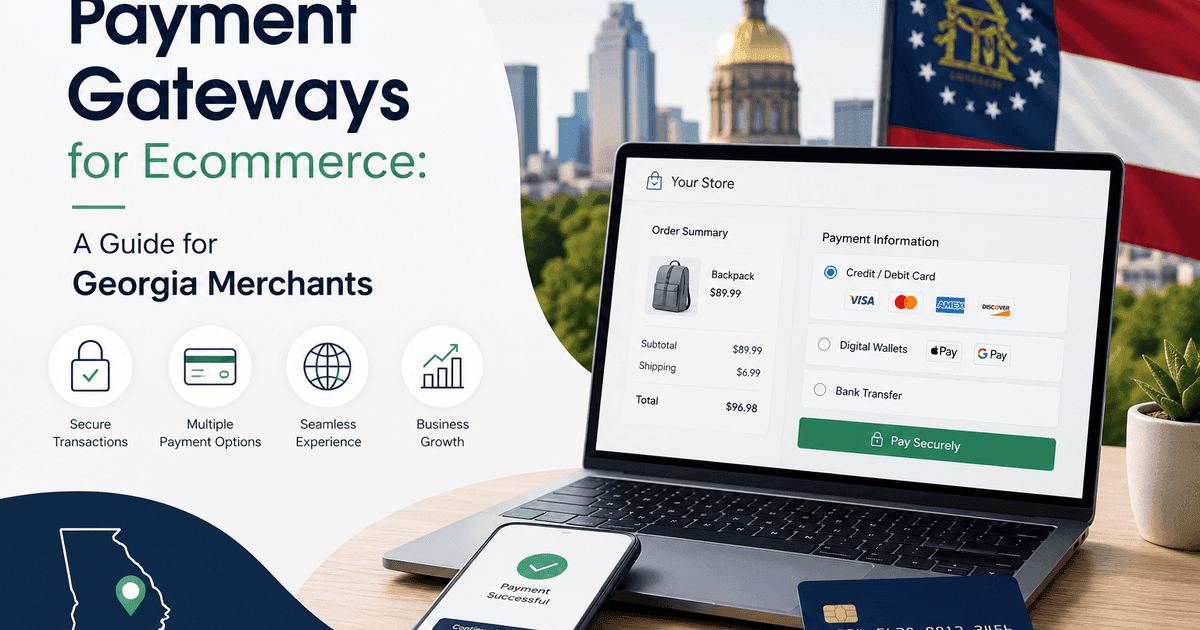
Payment Gateways for Ecommerce: A Guide for Georgia Merchants
Payment gateways for Georgia ecommerce: hosted checkout, APIs, PCI scope, fraud tools, and pairing gateways with interchange-plus processing.
POS strategy
Clover Mini vs Flex vs Station: Which Device Your Shop Actually Needs
Compare Clover Mini 3, Flex 4, Station Solo, and Station Duo 2: counter vs tableside vs dual screen. How Omega matches hardware to the floor.
Want a second opinion on your statement?
We review what you pay today, line by line, and show how transparent pricing compares-no obligation to switch.
Get a Free Statement Audit